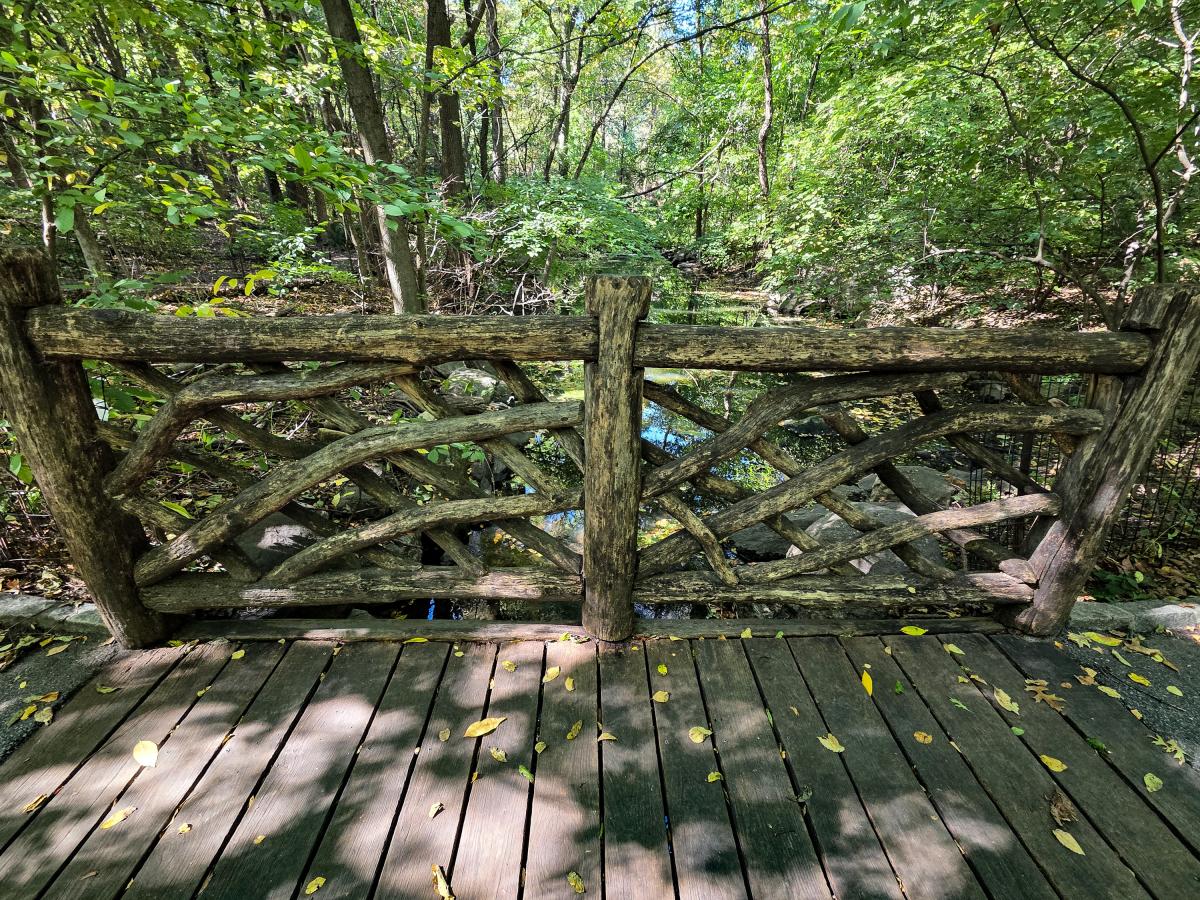
A Victorian style rustic fence over a stream
I grew up near Central Park, but I am less familiar with its northernmost parts. Last Saturday had fabulous weather - a great time to explore the park. The north end of the park was intentionally designed to be an area of hills, hikes, and nature. Since the park's opening, a large public pool and some ball fields have been added, but this part of the park is very much substantially the way Calvert Vaux and Frederick Law Olmsted, the park's designers, envisioned it.
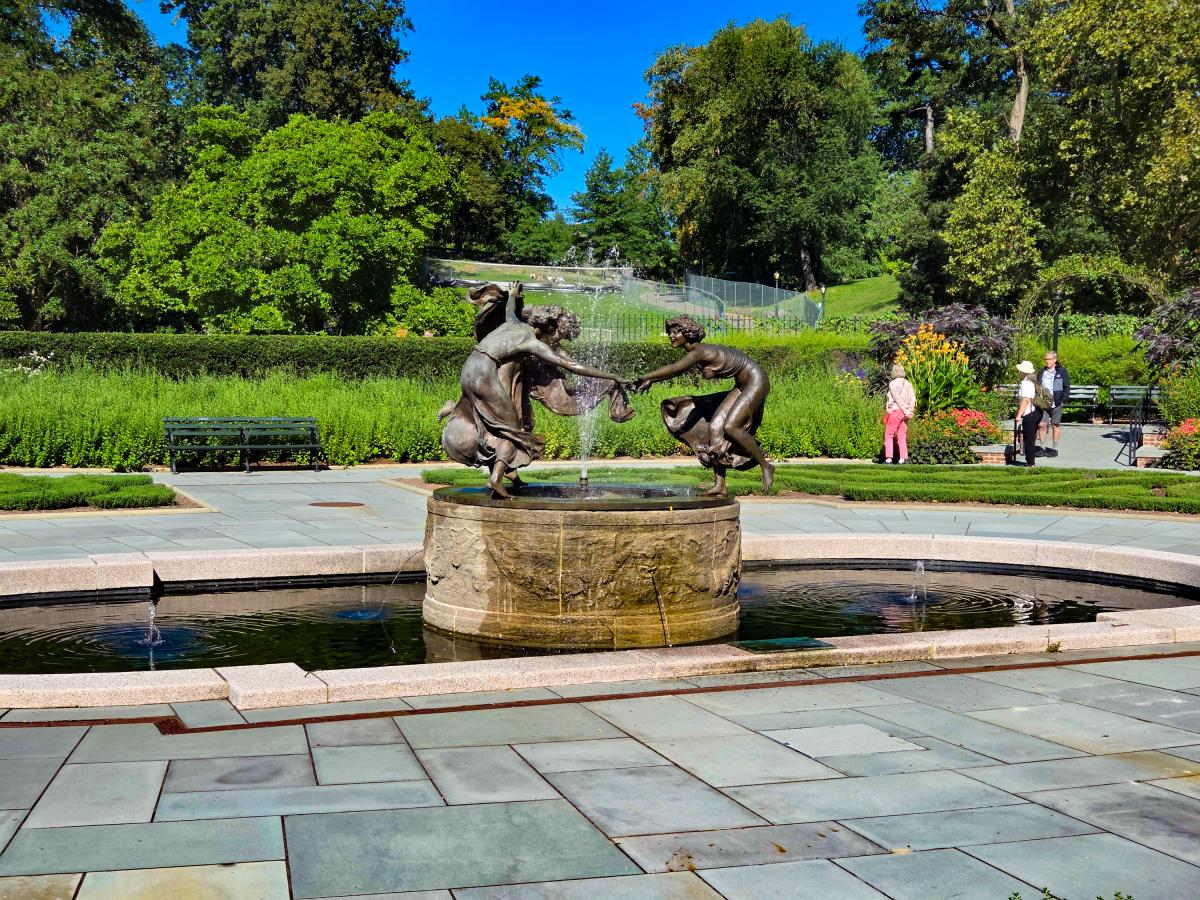
The Conservatory Garden
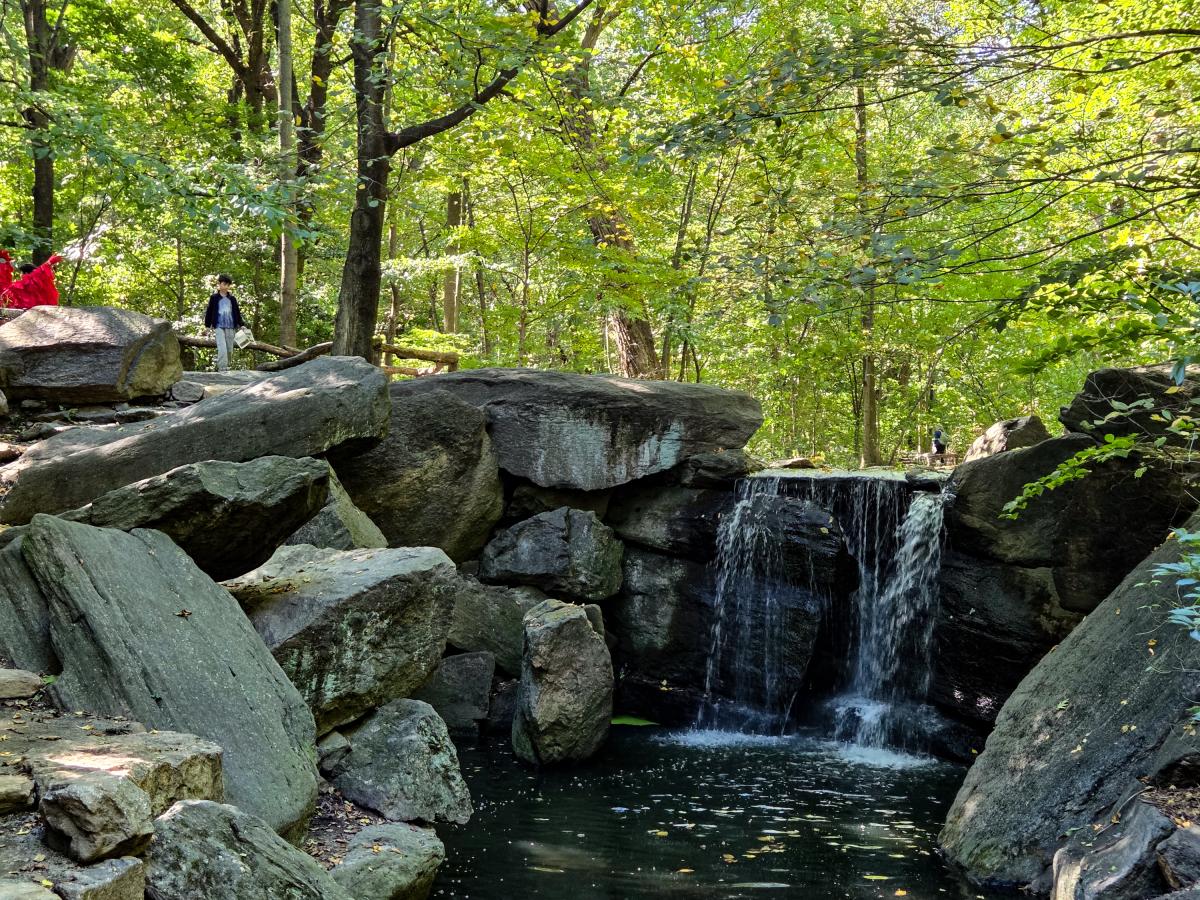
We started at the Conservatory Garden on Fifth Avenue and 105th Street. The Conservatory Garden is a staggeringly pretty formal European garden. In the spring and summer you'll see multiple wedding parties getting photographed, but at this time of year you'll find folks who enjoy the peace and beauty. Then we walked, mostly uphill, to two waterfalls tucked away in the woods. The north end of the park is very hilly. And by hilly I mean OMG up and down, up and down, all the time. The hills are bad enough so the bicycle loop that goes around the park has a shortcut at 102nd Street if you don't think you can make the hills on the full circle that goes to 110th street. It's bad: I've done it.
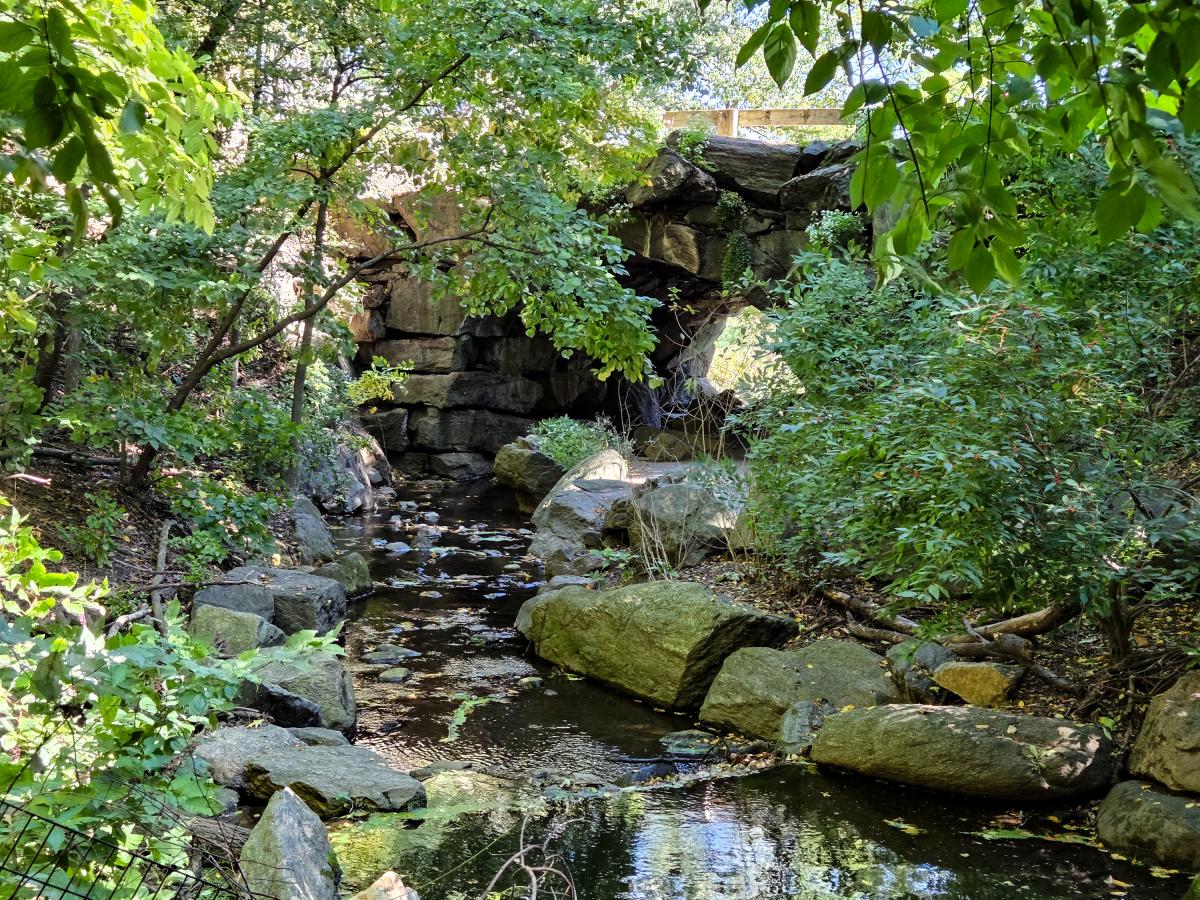
If this part of the park has a style, it would be "Victorian Rustic." It has just enough organization so the rock formations allow you to step up to the waterfall, but not so much organization that you feel you're at a tourist attraction.
Like many centrally located urban parks, Central Park is incredibly heavily used. There are rowers, hikers, picnickers, people playing sports of all kinds. There is a roller disco dance area and bird watchers everywhere. There was a formal birdwatching activity for kids - in fact you can see a person dressed as a cardinal in the corner of one of the photos. And it's all free, one of the great goods of the city.
The park was built in the 1850s, the first landscaped park in the US. It was designed to serve its residents, who needed a place to cool down in the steamy summer heat and relax in nature, and also showcase the city as a major world class city with an urban jewel park as other cities had.
There was a lot of opposition to the park, but as speculators and another opportunists realized, there was also tons of money to be made. Central Park was built with a fair amount of corruption thrown in. Whole neigborhoods were condemned and torn down. Thousands of people were hired to shape the park. Mountains were blasted, valleys were dug, and the park came into being. And this is the point of this blog. What astounds me about Central Park is that the city government, complete with all its corruption, managed to build such an incredible public good. These days when I read in the papers about politicians overriding the will of the people to build things like data centers and tear down environmental protection, in return for donations, I think to myself, at least back then some of the corruption was for a public good. Now it's just money.
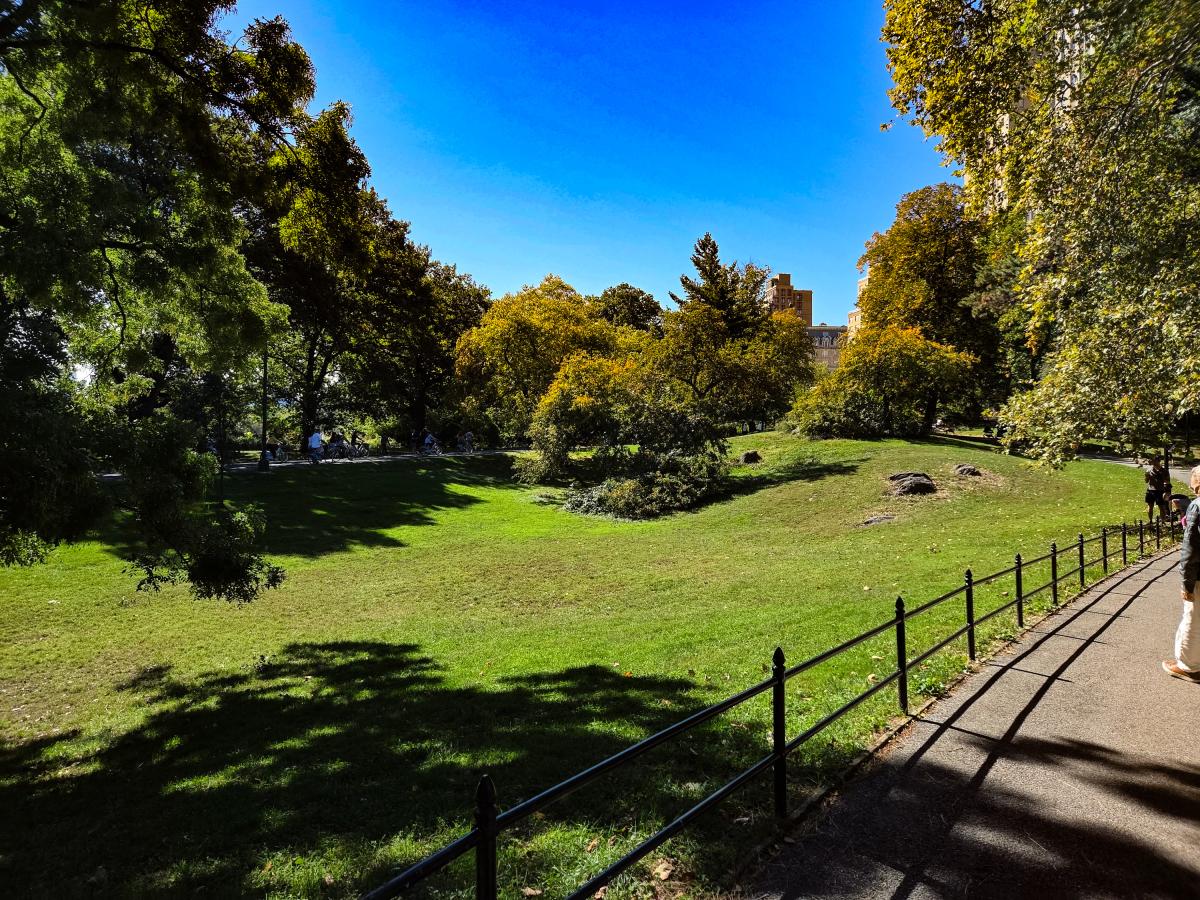
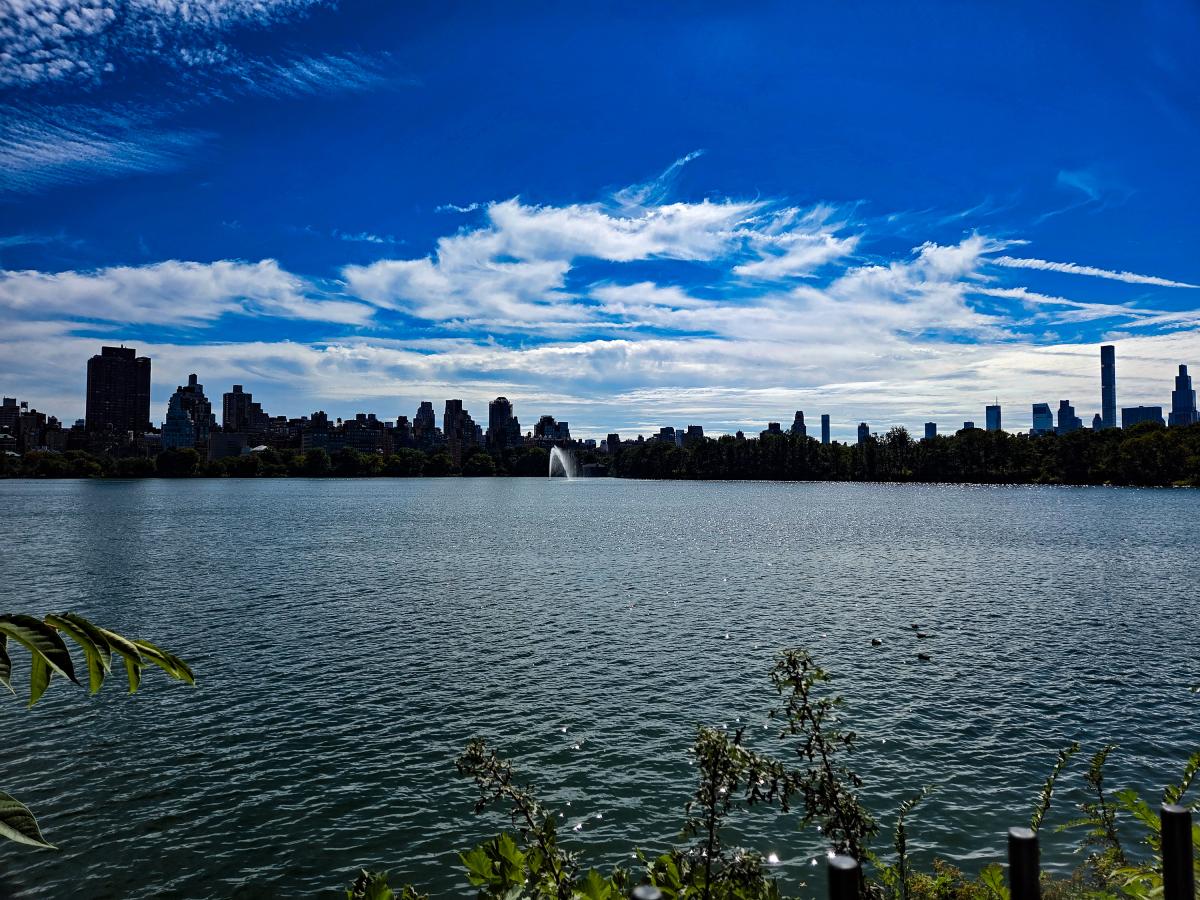
Here are some pictures of my trek in the north of the park. Bear in mind that Central Park is only three avenue blocks (5th - 8th) wide, so you're never really far from "civilization" (a good bagel). Traffic though the park is hidden from view by several deep transverses. The brilliance of the park's design, with its winding paths and architectural features, makes you forget that you are at most 1200 feet from a densely populated streetscape.
If you like the rustic furniture, you might find "Rustic Carpentry" a welcome addition to your library.
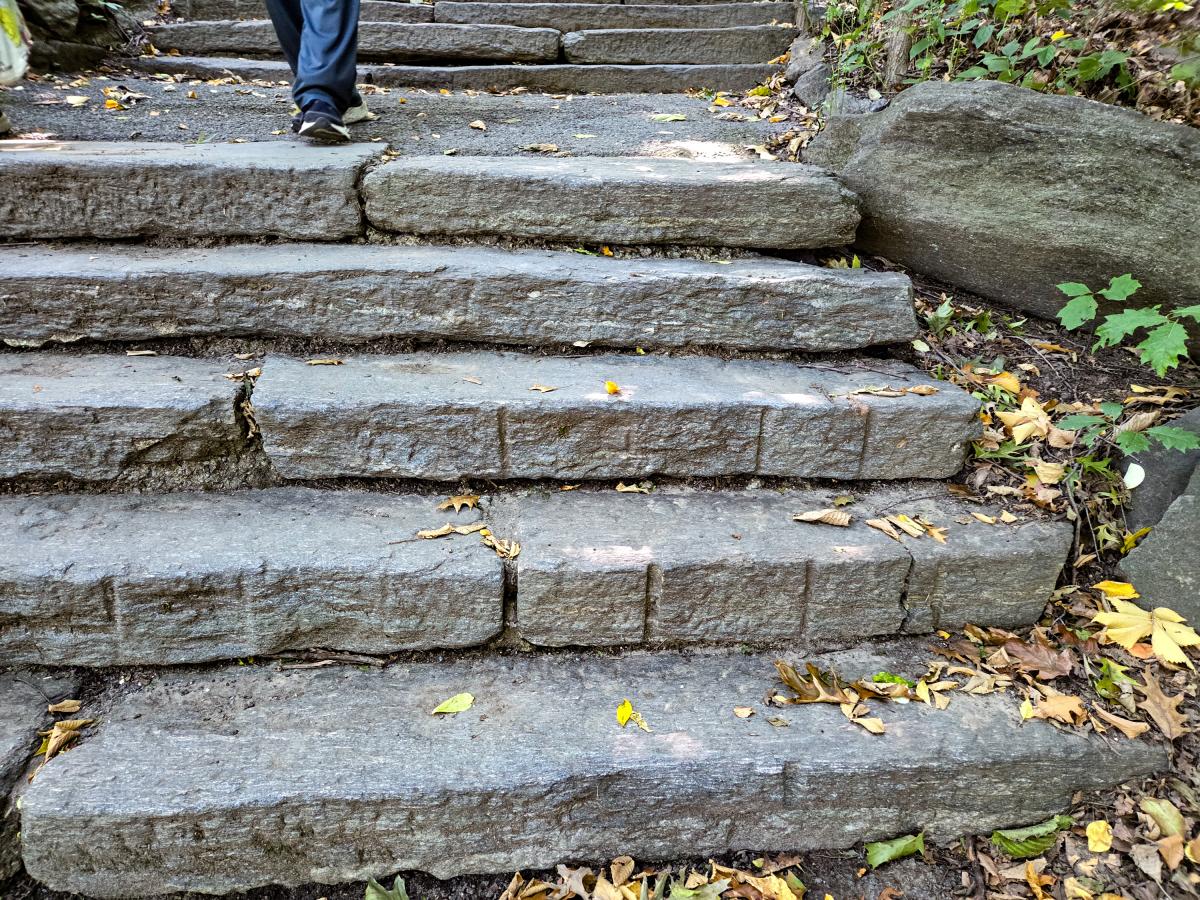
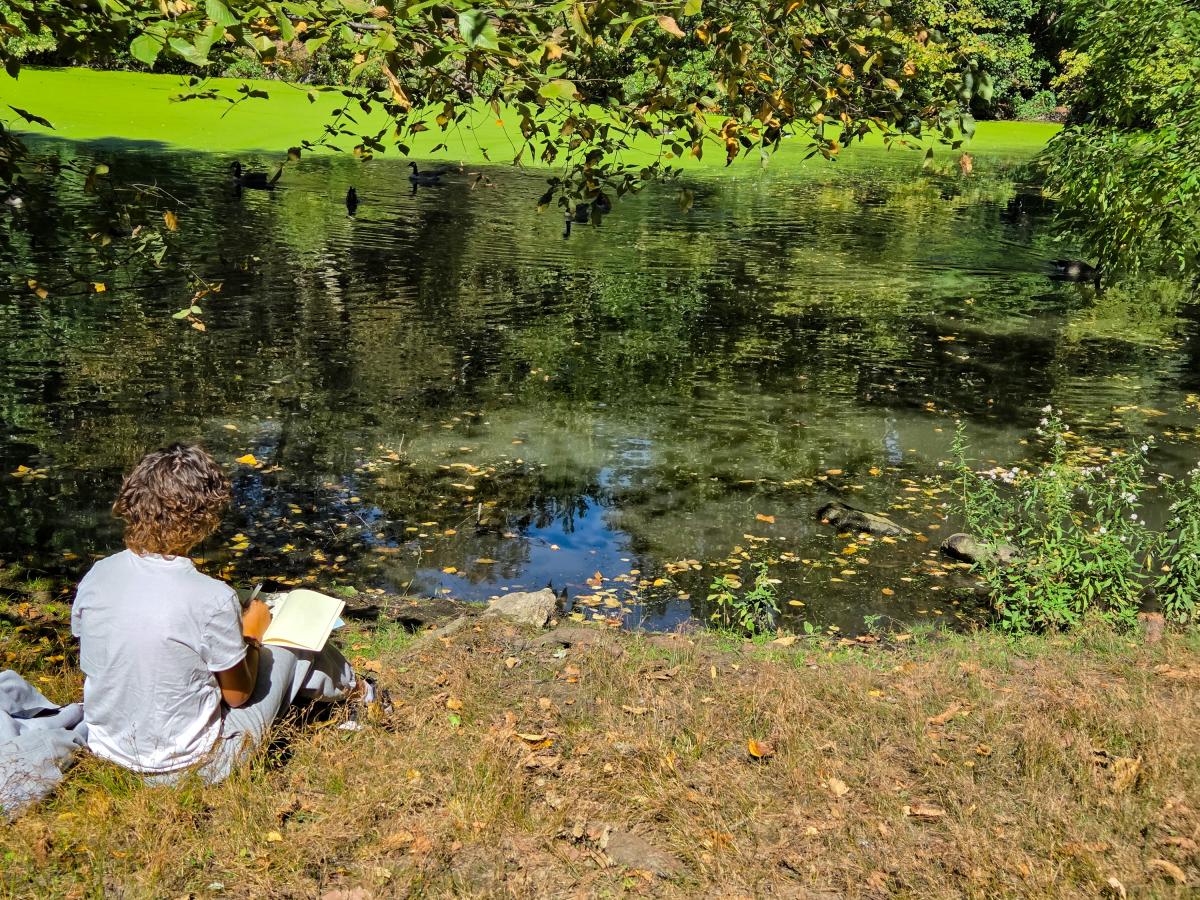
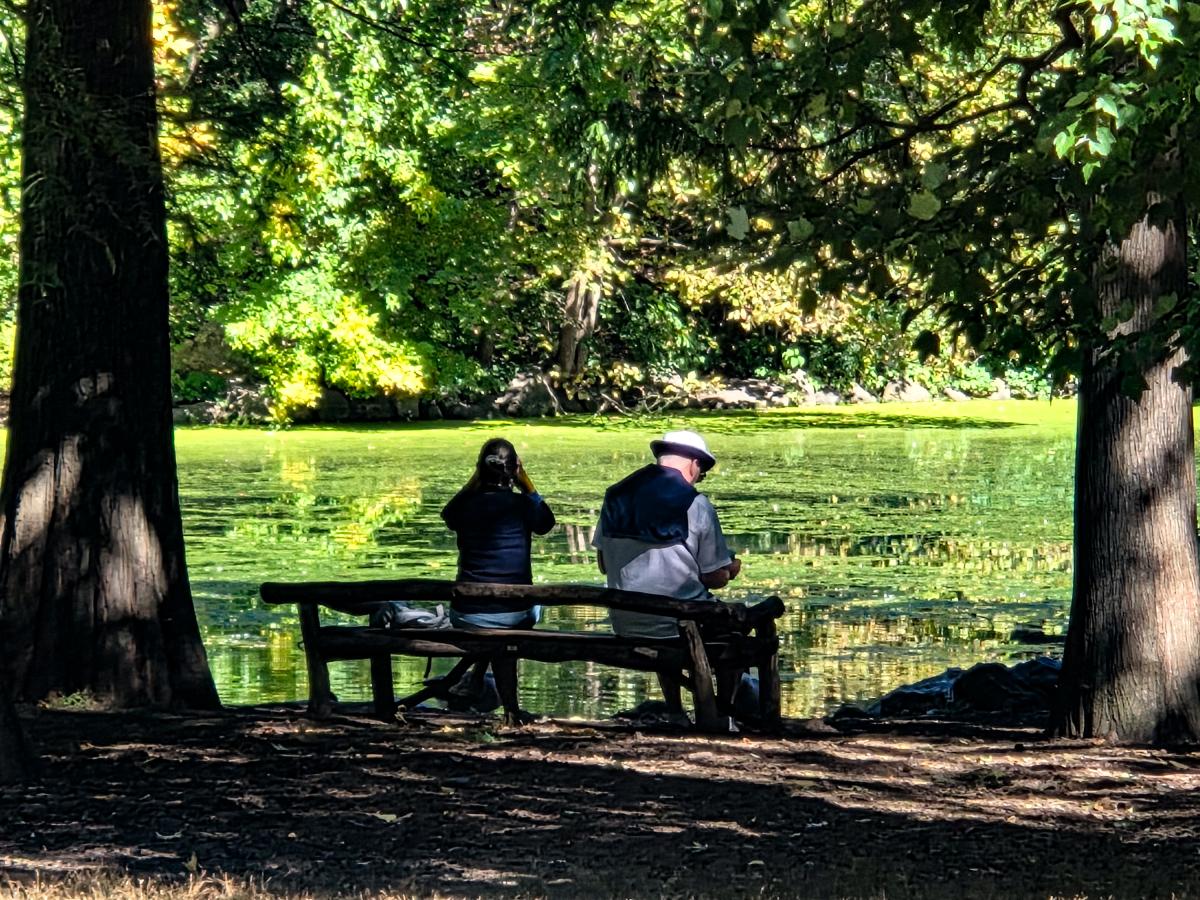
An original stone staircase One of the waterfalls; note the cardinal in the corner A babbling brook Reading and watching the ducks Birdwatchers sitting on a rustic chair Very low res picture of ducks View from a path The Reservoir
Join the conversation
10/07/2026 Dave Steffens
Nice article. I've never been to New York City, kind of intimidated by the cab drivers. Beautiful city.





 Joel's Blog
 Built-It Blog
 Video Roundup
 Classes & Events
 Work Magazine