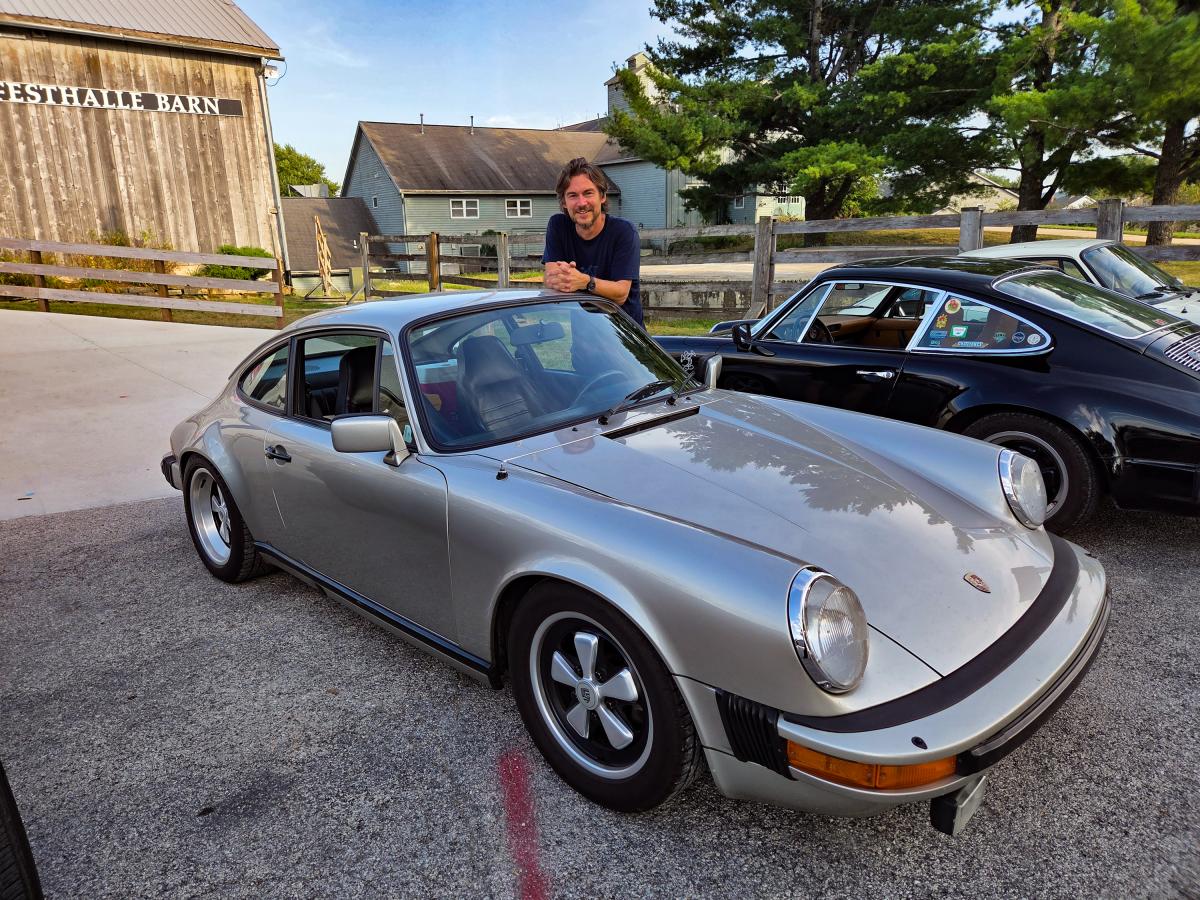
Konrad Sauer and his 911
Recently I was asked to critique a photographer's portfolio, and at some point I learned that all the work was shot on film. I asked the photographer why he shot on film and he said that it was because each shot was a commitment. You have to photograph with intent. The cost of film made each push of a button important and required thought. He didn't get that with digital photography, for which the marginal cost of another picture is zero. This technique helped him focus and make intentional decisions.
I write with a fountain pen. It helps me think. Or maybe more accurately it trains me to think. Ink doesn't erase so I have to approach the page with the intention of getting it right. I need to visualize the words and the spelling and the shape of the letters beforehand. It helps me focus and it trains me to think about my intentions whatever I am doing, including designing tools and making things. I also find the entire process as complicated as it is very satisfying.
Konrad Sauer, the plane maker, drove to the Handworks show in Amana this year in a 1981 Porsche 911 SC Coupe. This is a choice. It's not a trivial car to drive. Konrad can't put the car in cruise control and sit back. He has to actively listen, feel, and pay attention to the engine, shift gears as appropriate, and generally be a participant in the actual act of going to from place A to place B. This is intentional. The reason Konrad makes this choice is because participating in the physicality of driving this car is fun. But there's more to it. Makers and designers are deeply involved in the work they do. We have to make decisions all the time, about color, shape, function, materials. And the thinking is coupled with hand operations. Thousands of small decisions and movements go into making a single one of Konrad's planes. Practicing working with intention helps make other decisions in all areas easier. And by the same token, designing (in Konrad's own case) a plane with all its decisions is the type of work he likes to do. Driving a manual car is an extension of that fun, just in a different realm.
I think that the process of making decisions coupled with physical action is extremely satisfying to humans and that's the reason Porche 911's, manual cameras, and fountain pens are still popular with a lot of people, especially makers. For me, the constant, instantaneous decisions I have to make when writing in ink (especially as a lefty) help train me and make all the choices and effort I need to exert when typing easier. The process is as important as the result.
This blog post came out of discussion I had with Konrad at Handworks and so I shared a draft with him. He wrote,
"Using manual things, cameras, manual transmission cars, fountain pens, hand tools, they force us to take a deep breath and slow down. The stakes are higher - something could go wrong and something could be ruined - there is more weight behind the activity. It requires careful thought and deliberate action on our part. We are engaged on a different level - it requires that we pay closer attention. There is an element of the workmanship of risk behind it. Developing the skill of being deliberate crosses multiple platforms and areas of interest - they all inform one another and are cumulative. Driving an old manual car helps me use a manual camera which helps me make (and use) handplanes." - Konrad Sauer
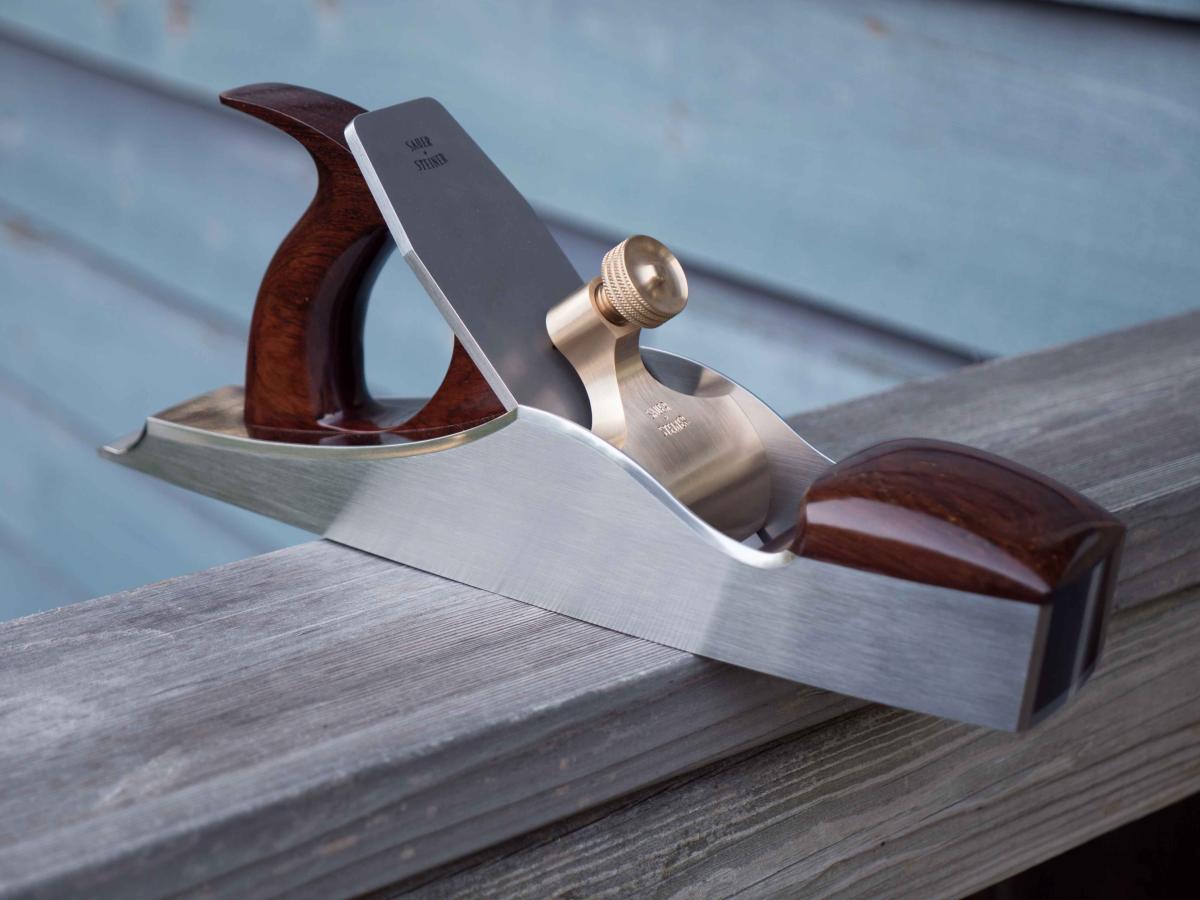
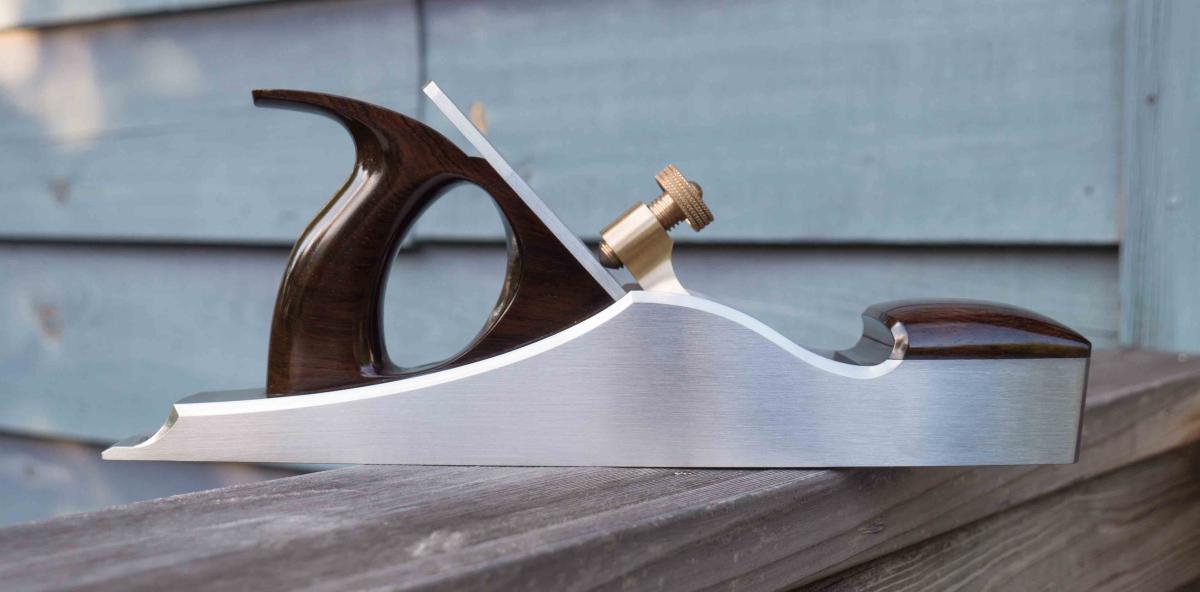
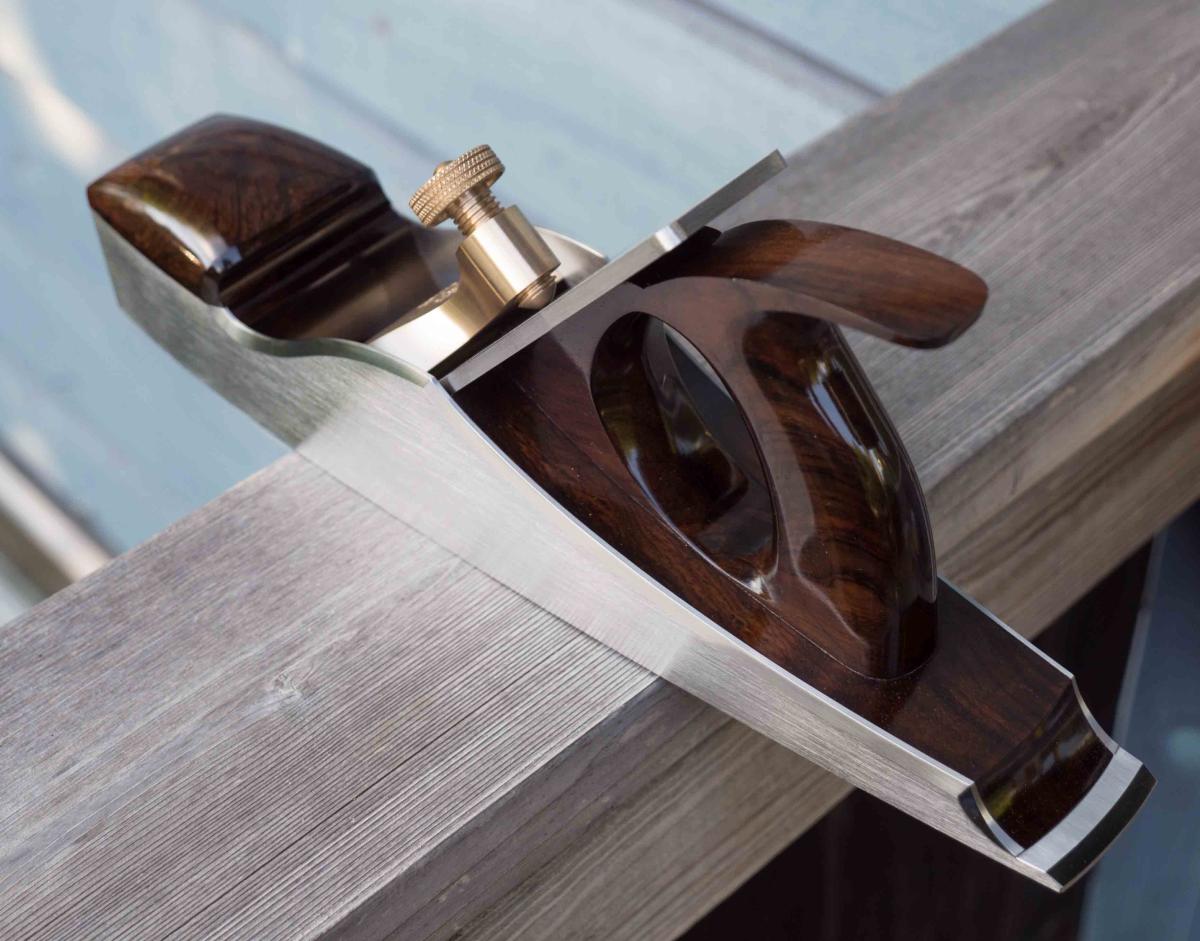
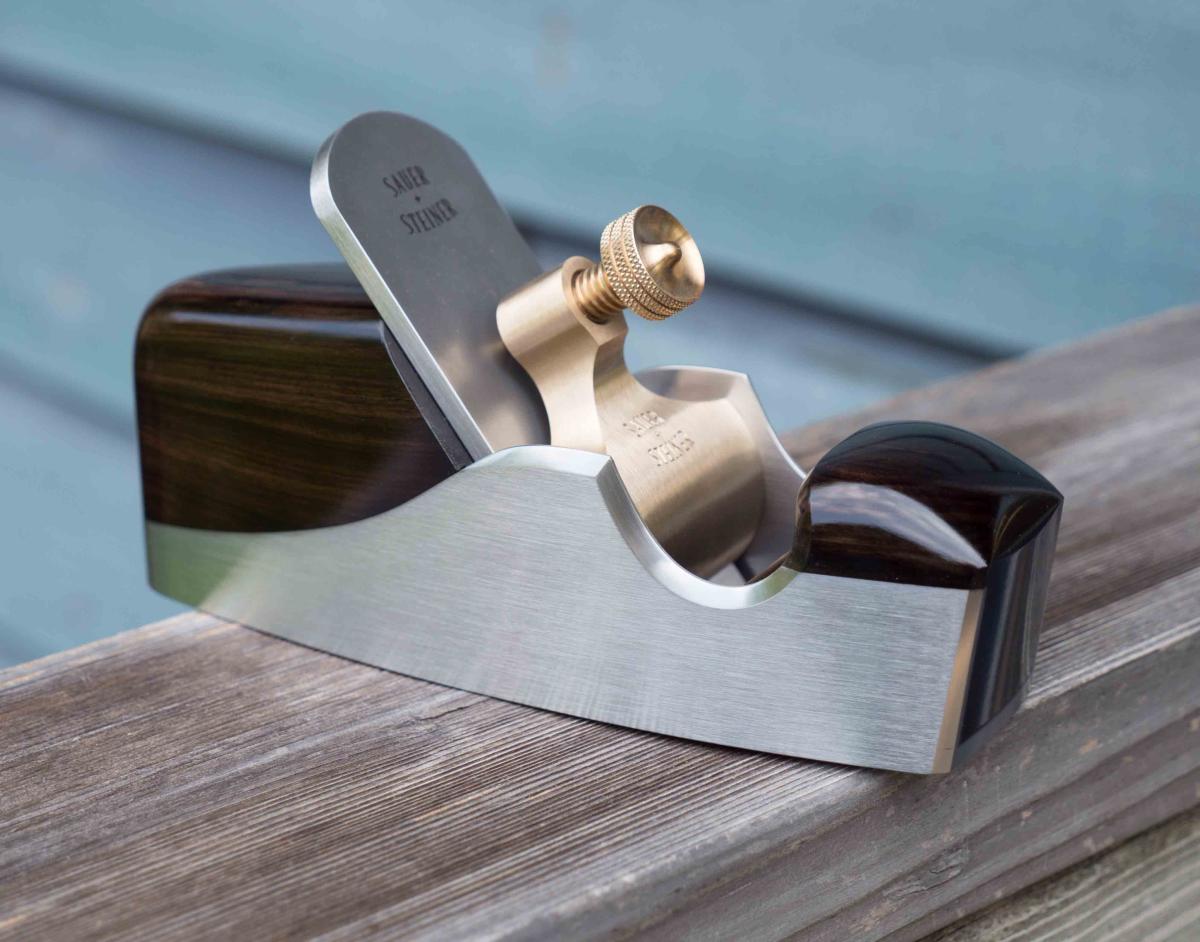
Here are some examples of Konrad's work:
Join the conversation
09/16/2026 Rick Wilson
Well done. A synopsis of why I, and many others use hand tools extensively. It's a sensory action, not robotic. Thank you for sharing.
09/16/2026 Rick jacks
The military has a phrase that I've found helpful: "Slow is smooth, smooth is fast". As a commercial aircraft pilot, it was necessary that I make decisions quickly and translate those decisions into physical action. But those actions needed to be as smooth as possible. I termed it flying aggressively smooth. It was a time-compressed combination of fast thinking followed by a micro slowdown just prior to letting my hands and feet go to work. Maybe this isn't a good analogy, but your description of a deliberate thought process in a dynamic enviornment brought it to mind. Cheers.
09/16/2026 David Cockey
Intent and control are not synonymous. I use manual mode on my camera because I want more control over the image. But I also appreciate the freedom to experiment. If I used my old film camera on automatic mode I would take fewer photos but I also would make very few decisions.
09/16/2026 Joel Silverman
I wish more people had your view of life. There probably would be less alzheimers disease, and would help people to be more engaged in life. Excellent article.
09/16/2026 Garret Olberding
I'd like to add, if I may, that the involvement of the hand is much more than the involvement of intention and the slowing down of the process. It is a visceral, tactile involvement, an engagement that gives fuller feedback than when one machines wood, as hand tool woodworkers know (including you, Joel). The resistance, the cut of the wood can be felt and thus one can make almost immediate micro-adjustments or corrections, if one is fully paying attention (as one should be). Race car drivers also speak of being one with the car (like the famous Fangio), when the machine and the person are fused, when one can feel the car's abilities and limits, its contact with the road. This, I assume, Konrad also can feel, as he drives his Porsche 911 with its manual transmission. (I, too, prefer manual transmissions, for the reasons I've stated. Alas, they're very hard to come by, especially now.)
09/16/2026 Michael O’Brien
Thanks Joel. Excellent blog letter. At 83 years old I too am a fountain pen and handtool user. I love the intentionality of doing things this way.
Cheers,
Michael
09/16/2026 Martin
Similar to early computer programming, there was very limited memory and you had to do careful design, draw flow charts, make efficient code and peer review it. Now coders just start coding, try it and make changes until it sorta works…making pile of crap that is inefficient and hard to fix down the road.
Also of note, as of 9/8/2026 Konrad stopped taking orders, take a look at his home page.
09/16/2026 Bob Shadel
Thanks Joel for reminding us why we use hand tools. While I am not as old as Michael at only 81, I continue to drive a manual transmission, use hand planes, gimlets (for drilling screw holes), chisels and hand sanding to better have the feel of the wood. Also it makes for a more enjoyable peaceful shop.
09/17/2026 Brian Moran
Joel… you forgot the “slide rule.” Very well written and thought provoking. Having to deeply engage the mind as it communicates with hands keeps someone engaged and on their “A” game. Although automation and machines are useful, they have their time and place. Nothing is as satisfying as achievement through manual effort. On a side note… both of our sons… now in their 30’s, were taught drive on a manual transmission. When you’re busy driving… it’s hard for a young driver to be distracted.





 Joel's Blog
 Built-It Blog
 Video Roundup
 Classes & Events
 Work Magazine
Cheers,
Michael
Also of note, as of 9/8/2026 Konrad stopped taking orders, take a look at his home page.