



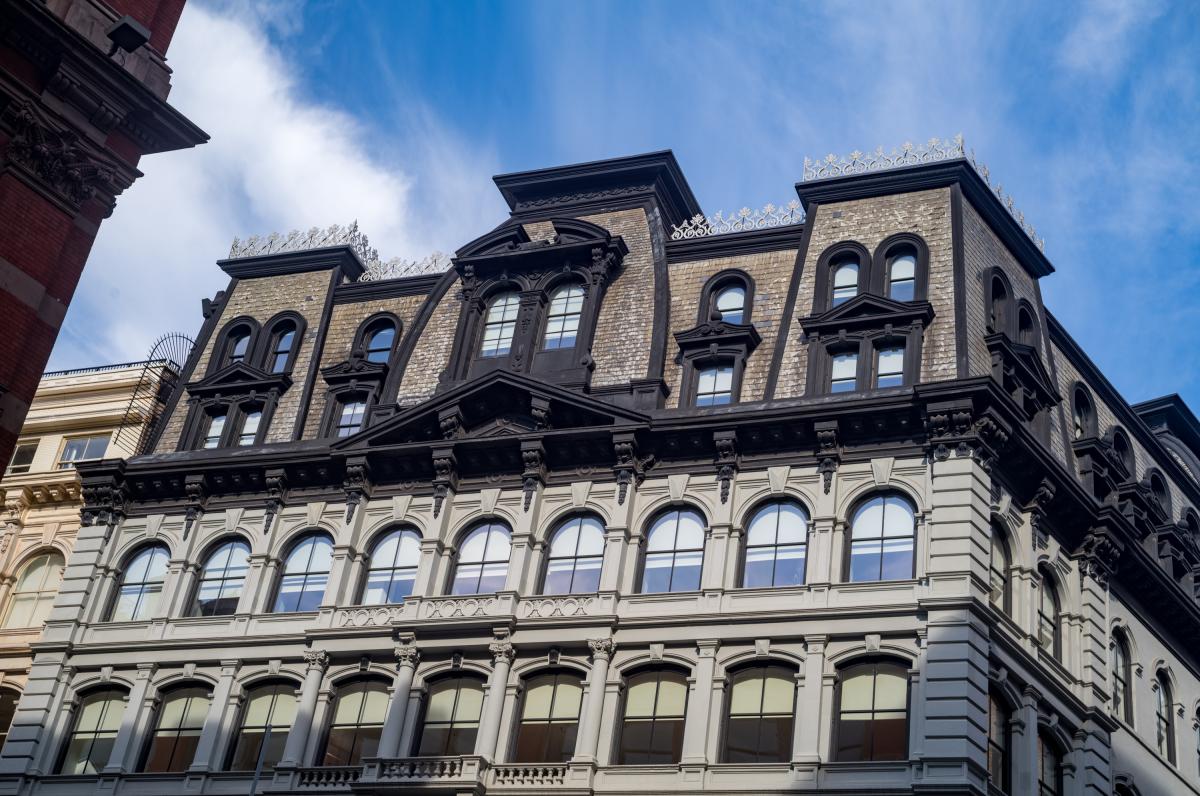
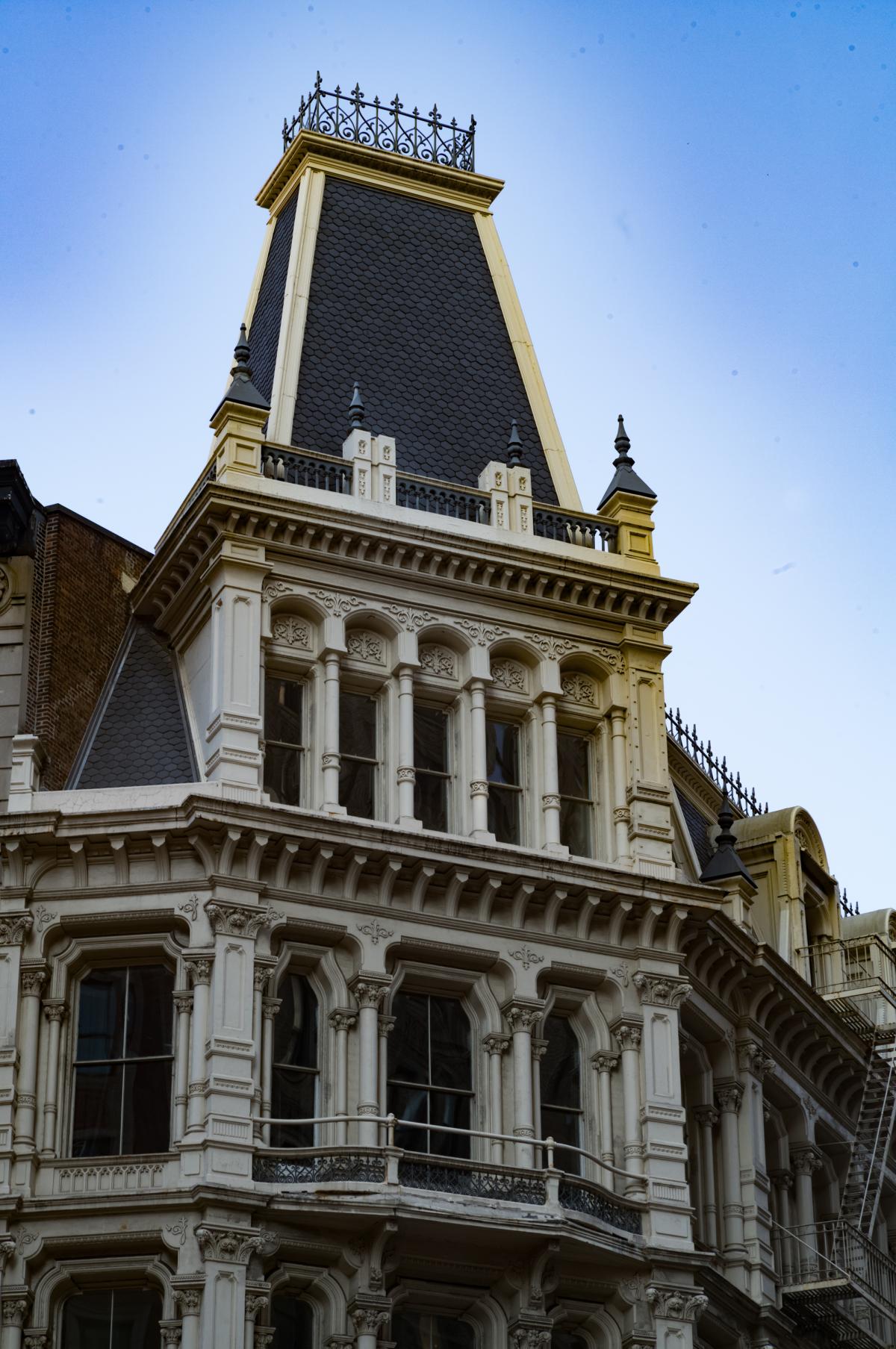

Originally the Arnold Constable dry goods store, this 1869 building on 19th Street has a mansard roof, which is both awesome and very Addams Family-esque.
Manhattan is filled with boring skyscraper boxes. But fortunately Manhattan is also filled with the buildings that predate the boring boxes, so there are many opportunities to see incredible decorative elements. But you may have to look up.
Union Square doesn't have a lot of skyscrapers, but it does have many late 19th/early 20th century tall buildings that were the skyscrapers of their time. Retail shop remodeling on the ground floors has robbed some of the buildings' original details, but if you look up, the story is awfully entertaining and elegant. It's remarkable to see the practical application of the belief that even the skyscrapers-of-their-time should display the same level of detail that, for example, a highboy should. But you can't see this - unless you lookup. So I spent an afternoon a morning wandering around looking up.
These buildings aren't being cited as unique. They're actually pretty typical. In many cases these late 19th, early 20th century smallish skyscrapers are about taking an 18th or 19th century model and simply making it bigger. The commonness and frequency of the beauty is what's remarkable.
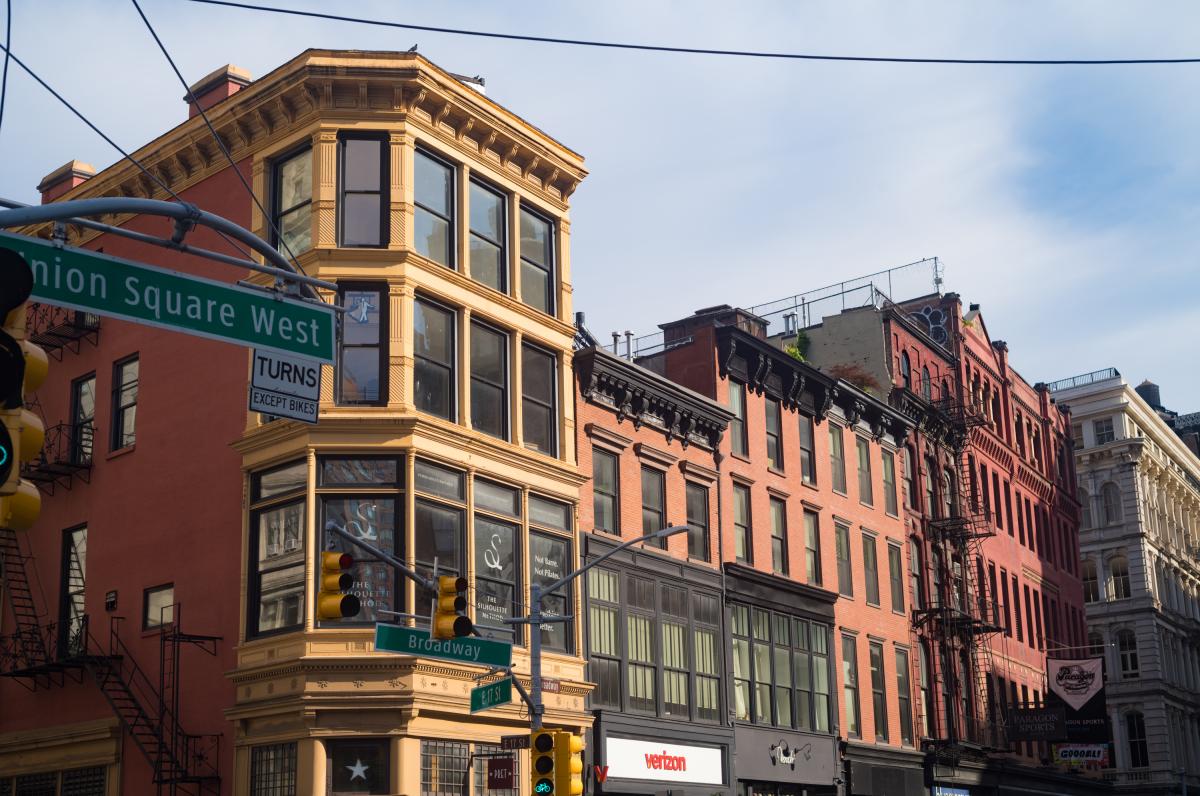
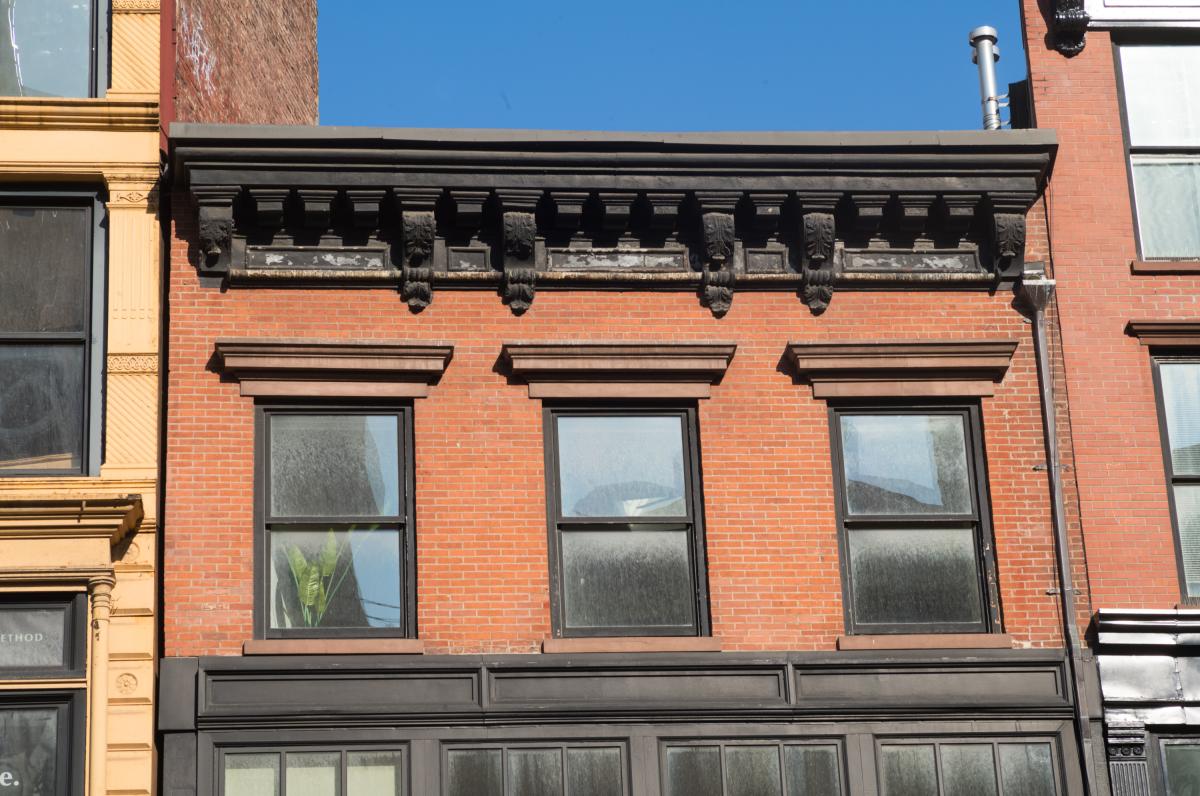
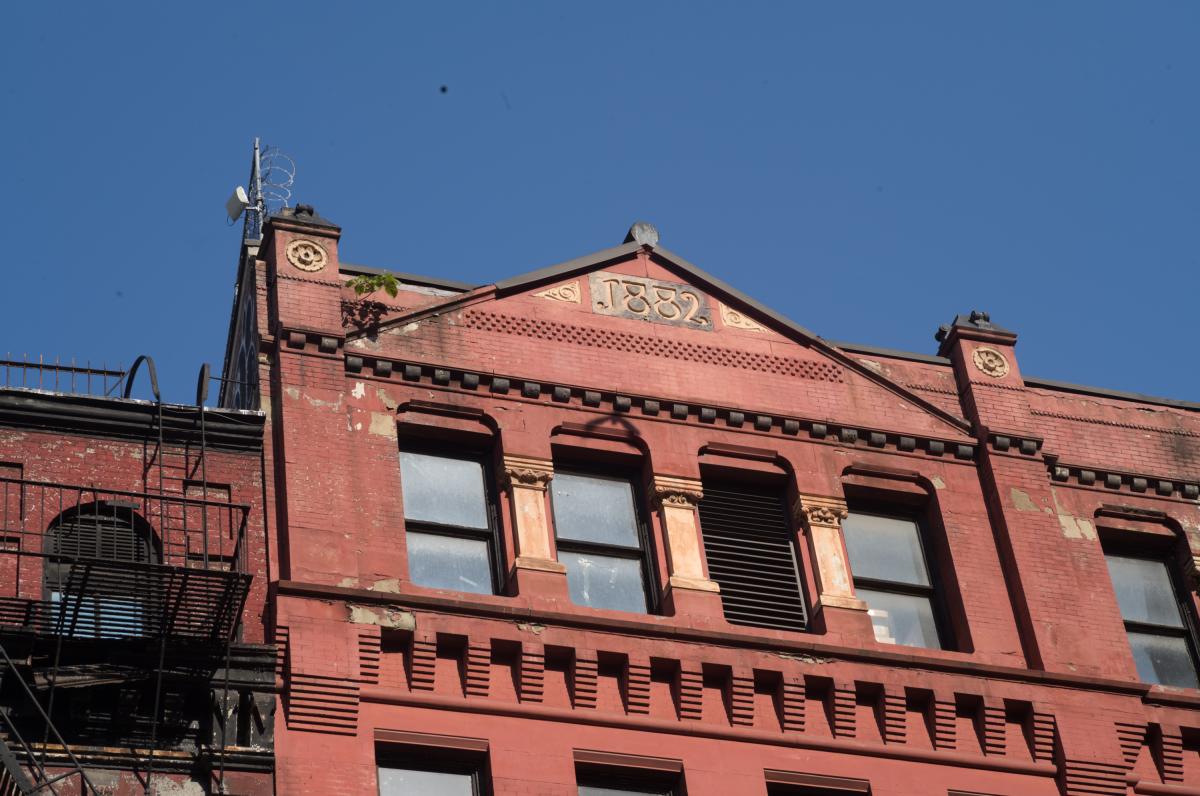
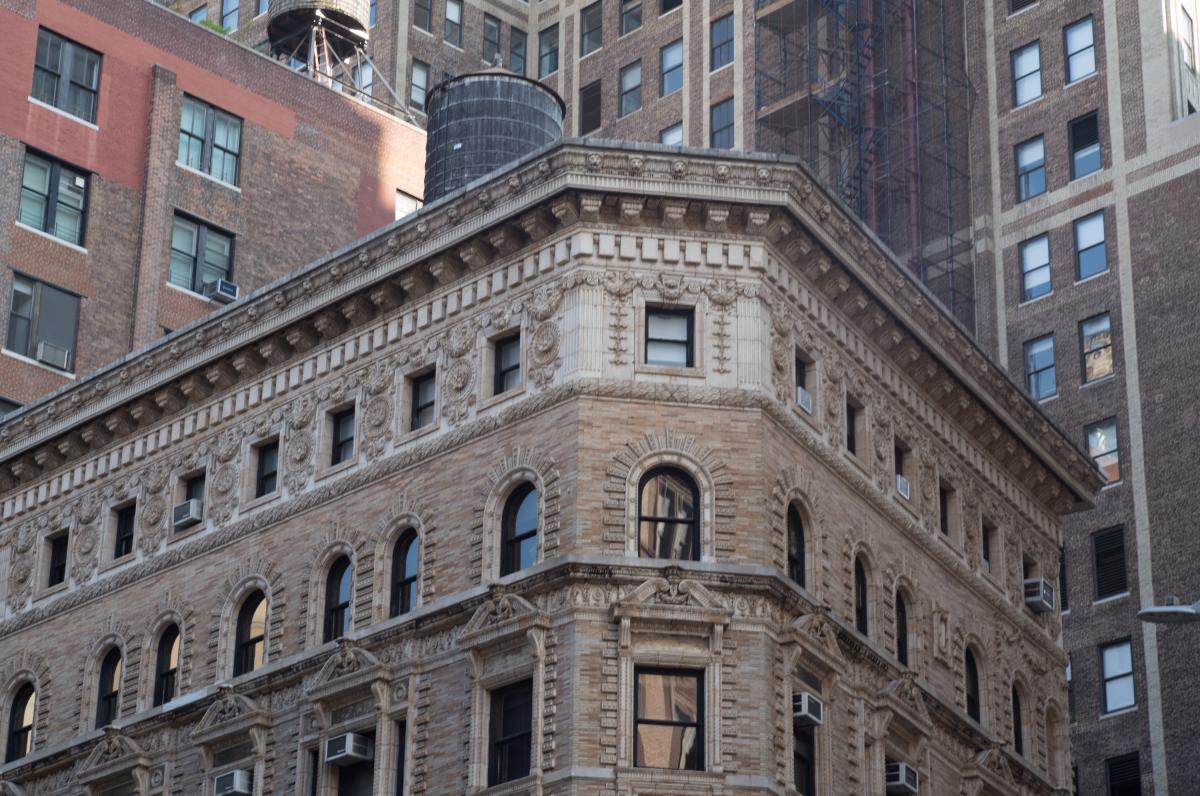
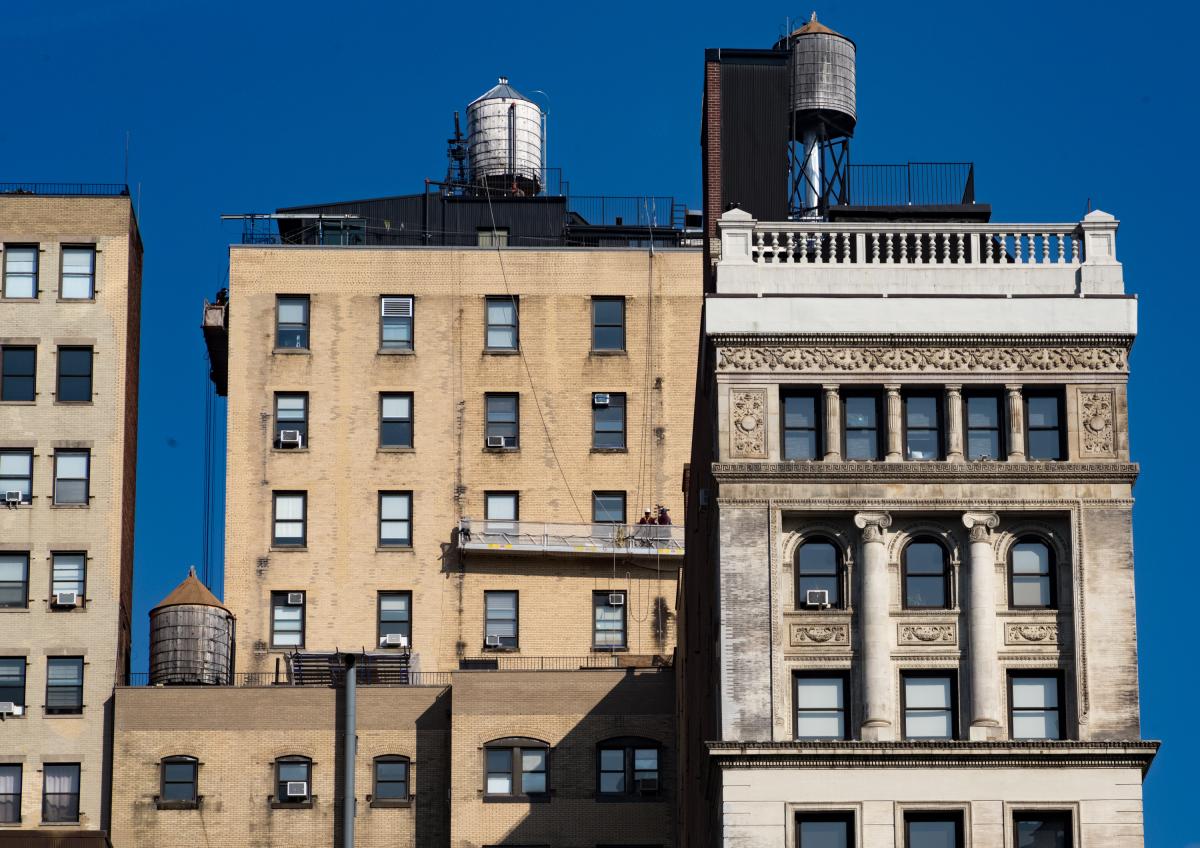
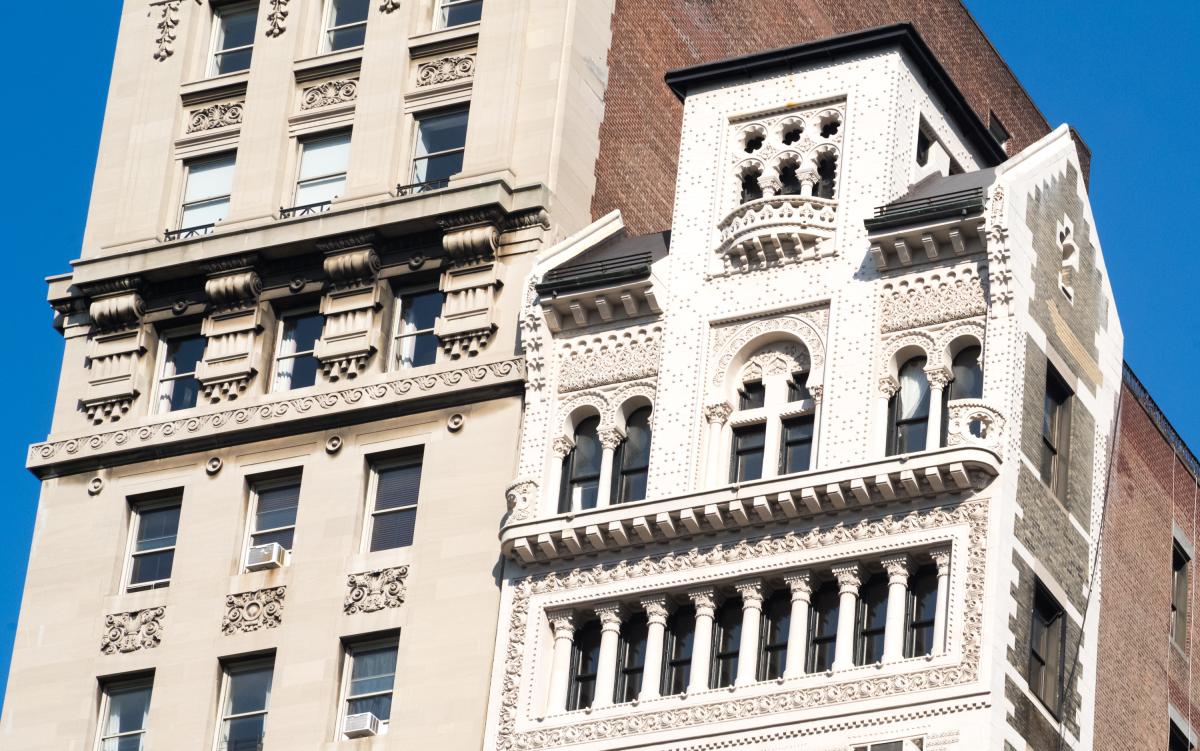
The pictures below are of the west side of Broadway in a stretch between 16th and 23rd Streets. This area was known as the "Ladies' Mile" during the Gilded Age because it was home to Lord & Taylor, B. Altman, Arnold Constable, and many other high-end department stores that catered to women, and developed a name as an area that was - very unusually - safe for women to go shopping unaccompanied by men. According to the New York Preservation Archive Project, the area's mix of aesthetically pleasing Beaux-Arts, Neo-Renaissance, Romanesque Revival, and Queen Anne style buildings was a "direct reflection of the City Beautiful Movement," a reformist movement of the era that also brought grandeur to other parts of Manhattan and to Washington DC and other cities. Looking north on Broadway from 17th Street, up the Ladies' Mile. The smaller, older buildings still have their decorative cornices. A closeup of one of the buildings from the previous picture Another closeup - simple, but it gets the point across. Now the longtime home of Paragon Sports, Manhattan's largest sporting goods store 901 Broadway was built in 1870 as a home for Lord & Taylor. This remaining corner pavilion features a tall slate mansard roof in the the French Second Empire style. A tour-de-force of cornice carving! It's on the NW corner of 20th Street and Broadway. At the SW corner of 17th and Union Sq. West. I could not find much info on this awesome bit of decoration. Note the guys on scaffolding, doing work on the homely building next door. On the right is the Decker Building. Built in 1892, it was the home of Decker Brothers Piano Company. More famously, between 1968-73 it was home of Andy Warhol's Factory
Join the conversation
07/15/2026 Joe Maday
It is sad to see and think how buildings have lost their identities, style, interests...New construction is nothing but boxes, with mirrored outside walls...Very few are innovative in their curb appeal....Maybe someday things will turn around....
07/15/2026 DW
We have much of this in Philadelphia. When I was a young adult in Philadelphia in the 80's, I missed most of it, as I was walking downtown with friends having a conversation, or walking alone, either inebriated or braving harsh weather with my head down, or otherwise concentrating on simply getting from point A to point B, I didn't appreciate the architecture. But these days, as I am much older, when I return and walk around, I spend much more time looking up, and am awestruck but the art in the architecture, and how much remains, both in small buildings and large, it's truly everywhere, you don't have to look hard. I find it sad that that the art and craft has disappeared, and buildings that were erected after WWII are soulless blocks of glass and metal or concrete.
07/15/2026 Dan M
It also interests me how otherwise long forgotten companies and families are memorialized in the names of buildings that have been repurposed many times since